
Corporate gifting in the Philippines is one of the most underleveraged tools in a company’s relationship strategy — and most businesses don’t realize they’re doing it wrong.
Every year, HR managers and procurement officers across the Philippines spend thousands — sometimes millions — of pesos on corporate gifts. And every year, a significant portion of that investment lands with a quiet thud.
Not because the intention was wrong. The intention is almost always right. Companies want to thank clients who trust them with their business. They want their employees to feel seen after a grueling quarter. They want their brand to leave a lasting impression during the holidays.
But somewhere between the good intention and the actual gift, something goes wrong.
One mistake—pervasive, costly, and completely fixable—is what most Philippine companies make in corporate gifting. And once you see it, you cannot unsee it.
The Mistake: Treating Corporate Gifts Like a Logistics Problem
Here is how it usually goes: the gifting season approaches, a deadline appears on the calendar, and someone in HR or Procurement is tasked with sourcing gifts for 50, 100, or 500 recipients — fast. Price per unit becomes the primary filter. Availability becomes the secondary one. The gift itself becomes an afterthought.
The result? Calendars. Logoed mugs. Assorted snack packs assembled without a second thought. Generic items chosen because they are safe, not because they are meaningful.
This approach treats corporate gifting as a fulfillment task — a line item to check off before year-end. And while it technically gets the job done, it misses the entire point of why companies give gifts in the first place.
Corporate gifting is not a transaction. It is a relationship signal.
Why This Mistake Is More Costly Than It Looks
You might be thinking: it is just a gift. How much does it really matter? More than most companies realize.
A corporate gift is often one of the few tangible touchpoints your brand has with a client or employee outside of day-to-day work. It is a moment when your company steps out from behind emails, proposals, and deliverables — and says something about who you are.
A generic gift says: we remembered you exist.
A thoughtful gift says: we value you specifically.
The difference is felt immediately — and remembered long after the packaging is opened. Clients who feel genuinely appreciated are more likely to renew, refer, and deepen their relationship with you. Employees who feel recognized are more engaged, more loyal, and more likely to stay.
When corporate gifting is reduced to a procurement exercise, it not only fails to deliver these outcomes—it actively communicates indifference. And that is a message no company intends to send.
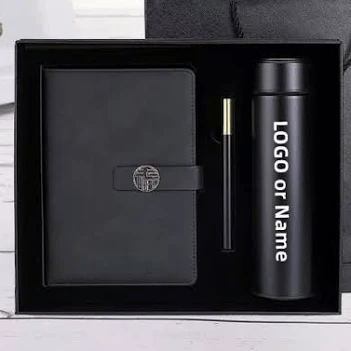
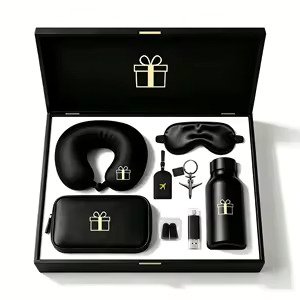
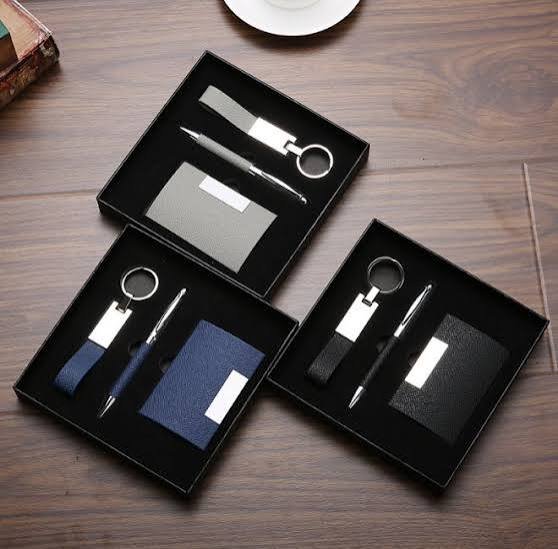
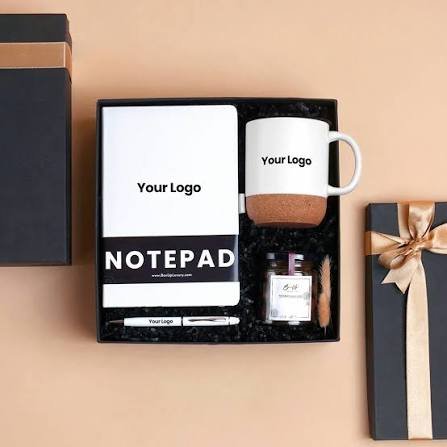
Generic gift boxes do not convey a lasting impression.
The Fix: Shift From Procurement Thinking to Gifting Strategy
The companies that get corporate gifting right share a common trait: they plan with intention. They think about gifting not as a season-end task but as an ongoing expression of their brand values and their relationships. Here is what that shift looks like in practice.
- Lead with the recipient, not the budget.
Budget matters — but it should be the framework, not the starting point. The first question to ask is: who is this for, and what do we want them to feel? A wellness-forward gift set communicates care for an employee’s personal wellbeing. A curated artisan box communicates discernment and attention to quality for a valued client. The gift should fit the recipient and the occasion before it fits the budget. - Choose curation over volume.
Mass volume often drives companies toward the lowest common denominator — something unoffensive, universally acceptable, and therefore universally forgettable. Curation, by contrast, is deliberate. It means selecting items that work together, speak to a mood or message, and feel cohesive as a gift experience rather than a random assembly of items in a box. - Invest in presentation.
The unboxing moment is your brand in action. A beautifully presented gift—thoughtfully packaged, carefully assembled, and detailed from the ribbon to the handwritten note—communicates craftsmanship before the recipient even sees what is inside. In a country where personal relationships are the foundation of business culture, presentation is not a flourish. It is part of the message. - Plan ahead — not just for the holidays.
The companies that rely solely on the holiday gifting rush are the same ones scrambling to find available stock in November and compromising on quality because timelines are too tight. The best gifting strategies are built around a calendar that includes client milestones, employee tenure recognitions, onboarding kits for new hires, project completions, and account anniversaries — not just Christmas.